The journey of donated clothing
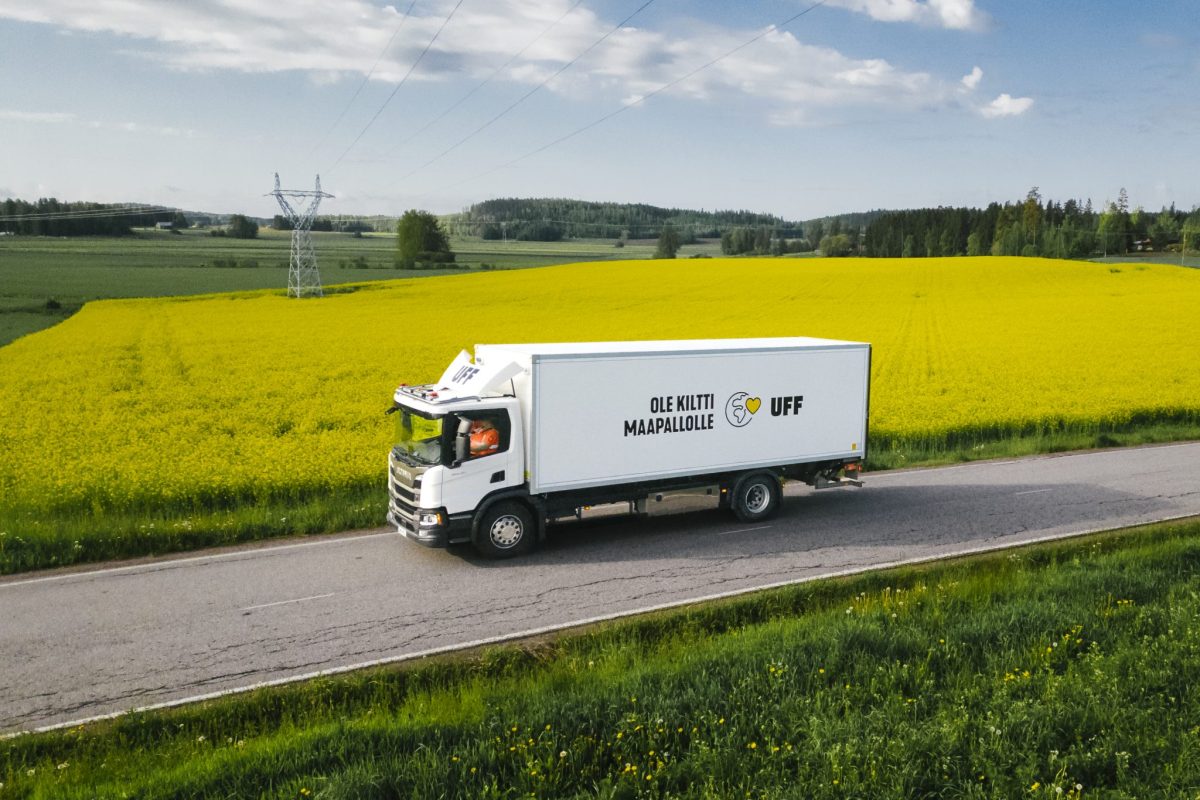
Donated clothes are collected from our clothing collection boxes and shops, then transported to sorting centres in our partner network in Lithuania and Estonia for sorting. There, the clothes are carefully sorted into different categories according to their condition, intended use and resale potential.
What happens to donated clothes?
Around a tenth of all collected clothes are sold in UFF shops in Finland. Some are sold in shops belonging to our partner network in the Baltic countries and elsewhere in Europe. Others are sold wholesale to retailers, who sell them on in their own shops or markets in Europe, Africa and Asia.
If a garment can no longer be worn as it is, we look for the best possible use for it as a material. Textiles can be used, for example, as raw materials for new products or for various industrial purposes. Only textiles that cannot be reused or recycled as materials are sent for incineration with energy recovery.
We use the proceeds from the sale of donated clothes for climate action in Finland and development cooperation in Africa and Asia. One clothing donation can therefore do a great deal of good.
Top-class sorting in Lithuania
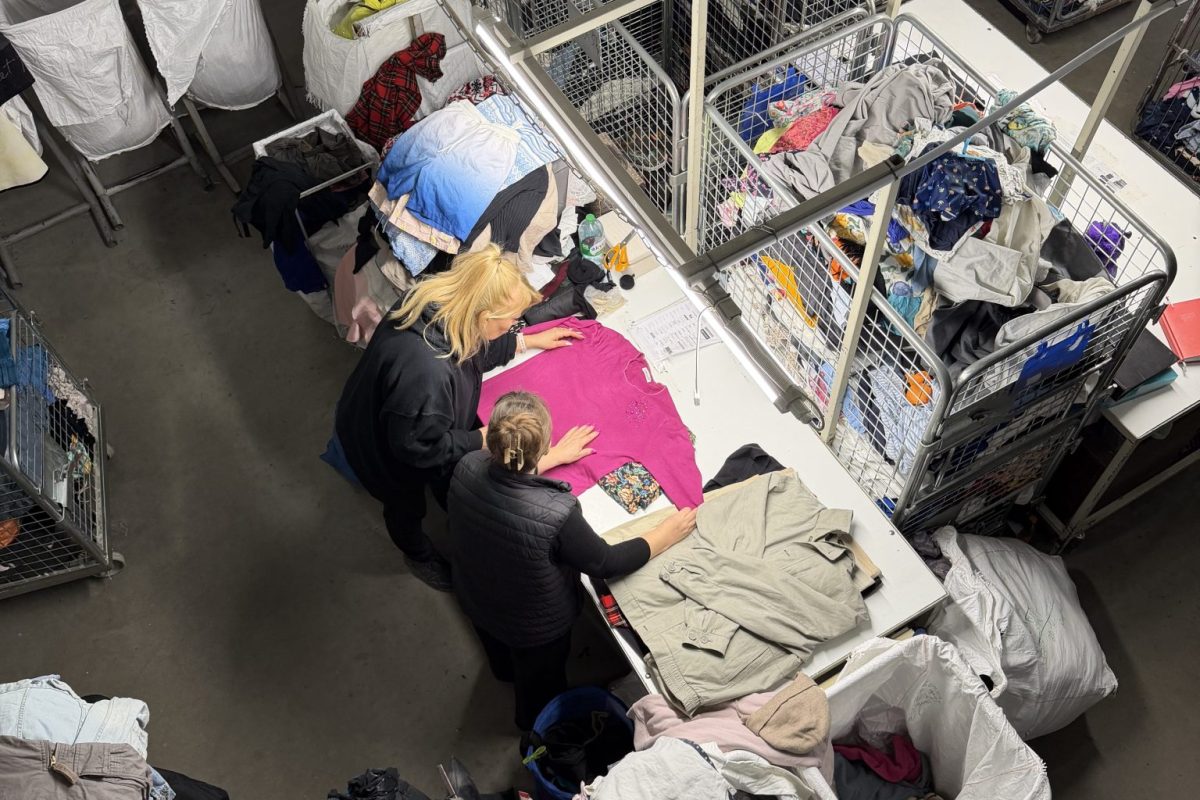
The sorting centre in Vilnius, Lithuania, is among Europe’s leaders in the professional handling of used textiles. Operated by Humana LT, the centre sorts around 50 million kilograms of clothes and accessories each year. They are divided into as many as 250 categories to identify the best possible route to reuse for each item.
The centre is a major operation: it covers 13,500 square metres – almost the size of two football pitches – and employs around 400 people. It generates much of the electricity it needs using its own 1,000-kilowatt solar power plant, significantly reducing the environmental impact of its operations. The centre also has an extensive range of laundry equipment to care for the clothes, with the capacity to clean more than 3,000 kilograms of textiles a day.
Material for sorting arrives from across Europe, including Finland, Sweden, the Netherlands and Germany.
A NEW LIFE FOR WEARABLE CLOTHES
The aim of sorting is to find the best next step for each item. That could mean selling it in a second-hand shop, sending it to a suitable market or recycling it as a material.
At the Lithuanian sorting centre, clothes are sent onwards after sorting based on their condition and demand. Around 72 per cent of the textiles processed are reused. The rest are recovered as materials or used to produce energy. No textiles are sent to landfill, either in Europe or elsewhere.
Sorting creates a diverse selection for sale
Around 12 million kilograms of clothes are donated to UFF each year. Sorting on a large scale and with care is essential to ensure that such a large volume of textiles can be efficiently directed towards reuse.
UFF shops stock clothes collected in Finland as well as elsewhere in Europe. The selection includes both brands familiar to Finnish shoppers and international brands, creating a diverse and ever-changing second-hand range.
The international circulation of used clothes
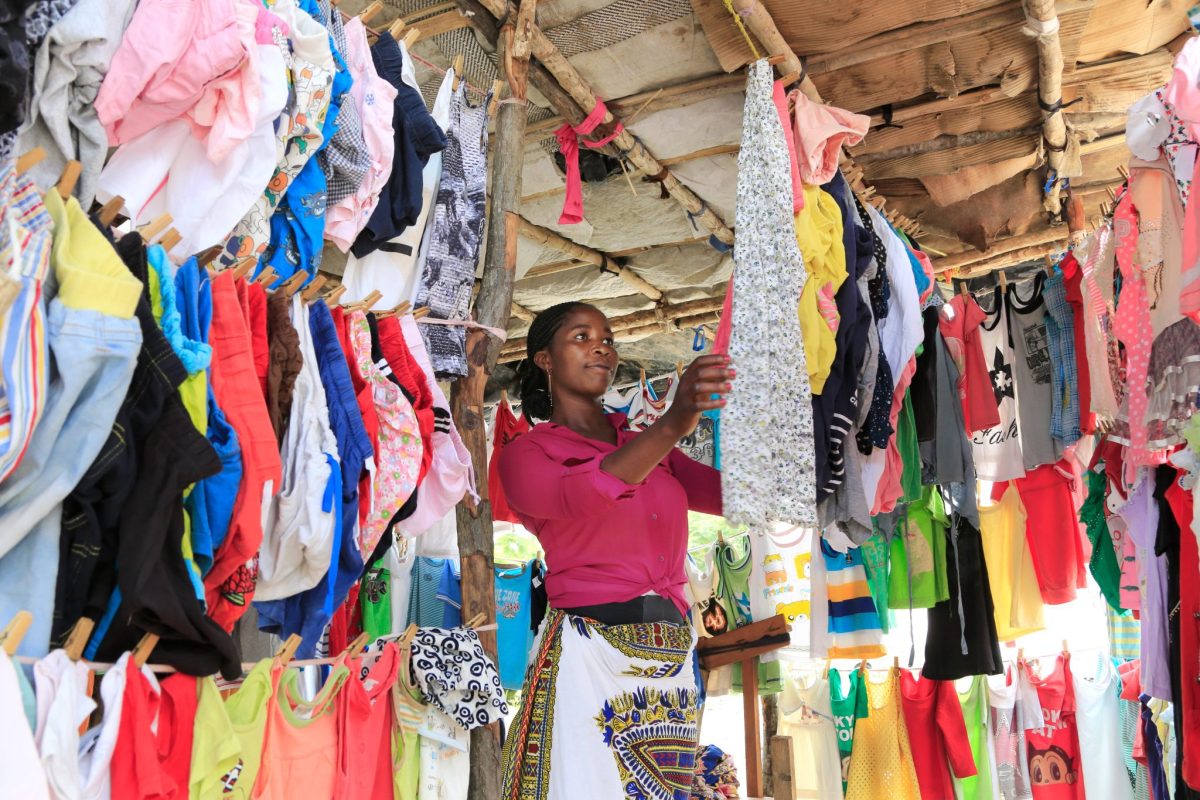
International markets are essential for reuse. The supply of used clothes in Europe far exceeds demand, so some clothes continue their journey to markets where the need is greater. In developing countries, used clothes make up a significant share of the clothing available. The sector is a major source of employment and supports women entrepreneurs in particular.
According to a study by the Swedish Environmental Research Institute (2025), reusing textiles is considerably better for the environment than recycling them as materials or incinerating them, even when transporting clothes around the world is part of the process. Reuse significantly reduces textile waste and extends the life of clothes, delivering substantial environmental benefits.