

Clothing donations
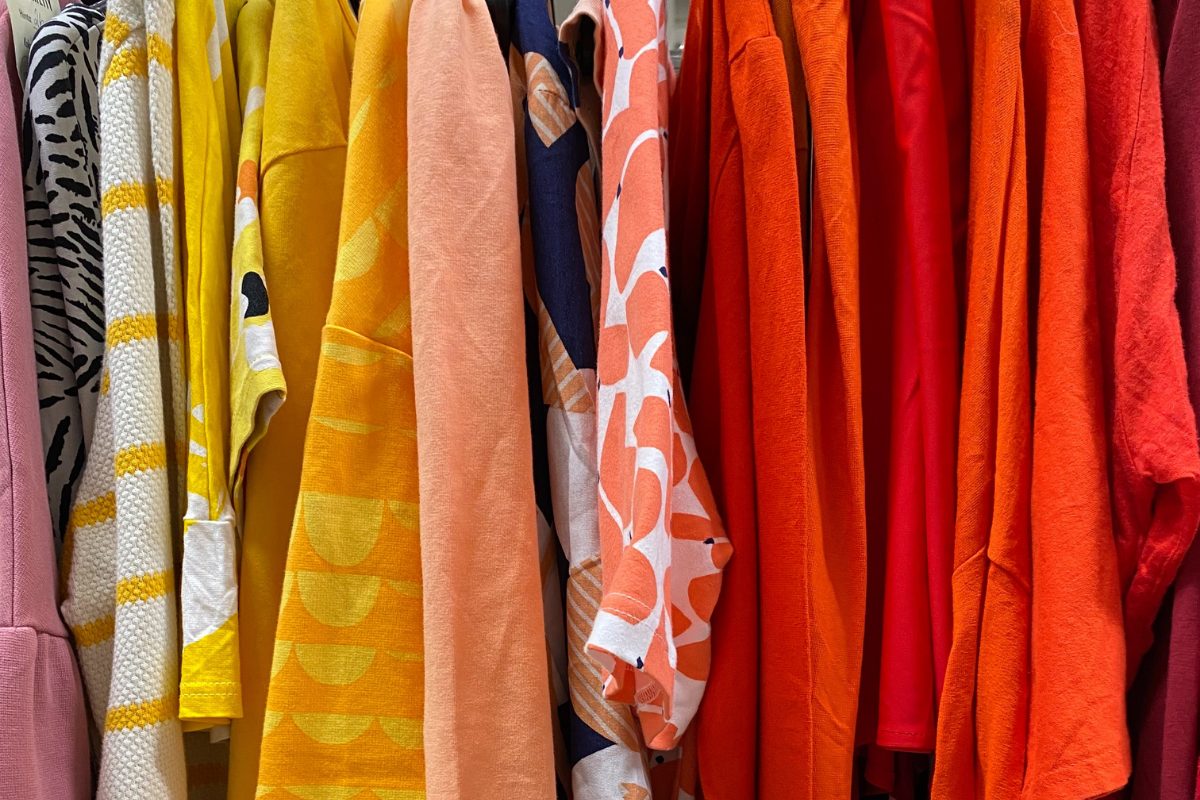
Many clothes sit unworn in wardrobes, even though they could have years of use left. By donating your clothes to UFF, you help keep them in circulation for as long as possible. We sort the clothes and direct them towards reuse. This gives clothes a new owner, conserves natural resources and reduces textile waste.
How to donate clothes
Read our recycling guidelines
We accept wearable, undamaged and clean clothes, home textiles, accessories, bags, shoes and toys for reuse. Please remember to pack your donation in sealed plastic bags. If you are unsure whether your donation is suitable for reuse as it is or only for material recycling, you can still bring it to one of our collection points.
Sort your clothes correctly
Unsure whether a garment you no longer need is suitable for reuse, material recycling or mixed waste? Our easy-to-use sorting guide will help you find the right place for it!
Take your donation to a collection point
UFF’s clothing collection service covers almost all of Finland. We operate in the home municipalities of more than 5.6 million people in Finland, and our collection points are easy to reach across the country.
The journey of a donated garment
The journey of a donated garment begins at a UFF collection point, either an outdoor collection point or one of our shops. Clothing clothing collection boxes are emptied weekly, and the donations are initially screened at the collection point. The clothes then continue to sorting centres, where they are sorted according to their condition, intended use and resale potential.
Clothes are directed primarily towards reuse as they are, and secondarily towards recycling as materials. If a garment is no longer suitable for either, it is sent for local energy recovery through incineration. Of the clothes collected in 2025, 78% could be directed towards reuse, 15% towards material recycling and 7% towards energy recovery through waste incineration.
Reusing clothes for their original purpose is the best option for the environment. It significantly reduces carbon dioxide emissions and the use of water and chemicals, as most emissions arise during the production of clothes.
The wearable clothes collected are sold either in UFF shops in Finland or through wholesale channels around the world. More than 40% of the clothes sold go to Europe, around a third to Africa and the rest to Asia. Proceeds from both wholesale and retail sales support UFF’s climate and development cooperation work.
The international trade in second-hand clothes enables garments to find new owners even when there is no local demand for them. It provides affordable clothing as an alternative to ultra-fast fashion, particularly for people on low incomes and those living in poverty.
The second-hand clothing trade is an important source of employment and income in many developing countries. It provides a livelihood for millions of people and supports small businesses, particularly those run by women. Employment opportunities are vital in countries where the formal labour market cannot provide enough livelihoods for the population.
An easy way to help people and the environment
Donating clothes is an easy way to help both people and the environment. When wearable clothes find a new owner, textiles stay in circulation longer, natural resources are conserved and unnecessary waste is reduced. Reusing textiles has up to 70 times less environmental impact than producing new clothes. Read more about the research here.
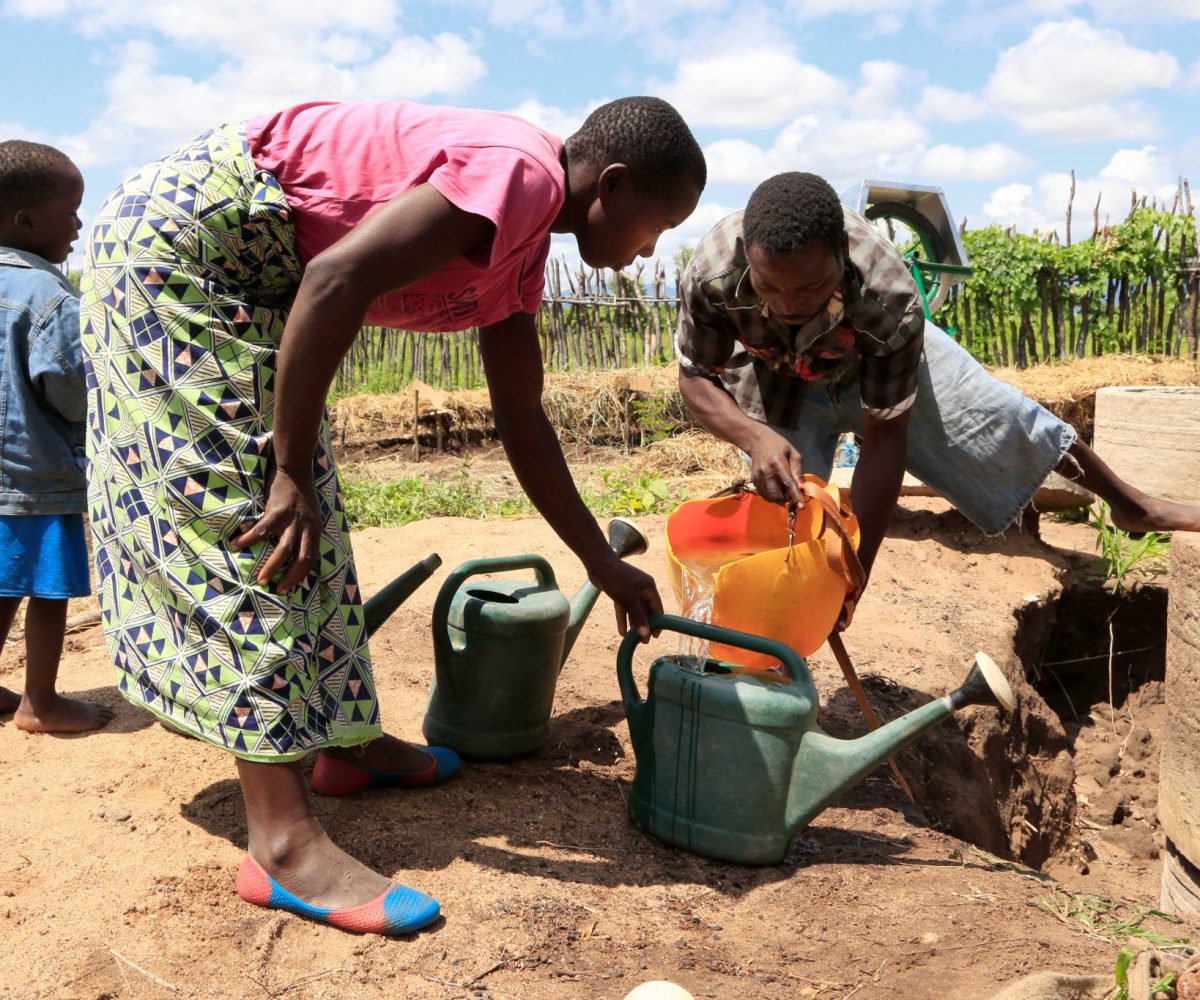
By donating clothes or finding something you love in our shops, you support clothing reuse, the circular economy and our work to reduce extreme poverty. Proceeds from clothing sales enable us to take part in dozens of development cooperation projects each year, improving the quality of basic education and promoting food security, livelihoods and support for children in Africa and Asia.