Responsibility
UFF promotes the circular economy by extending the lifespan of clothes and directing usable textiles towards reuse. Our goal is for every usable donated garment to find a new wearer and remain in use for as long as possible.
Reuse is the first choice for clothing
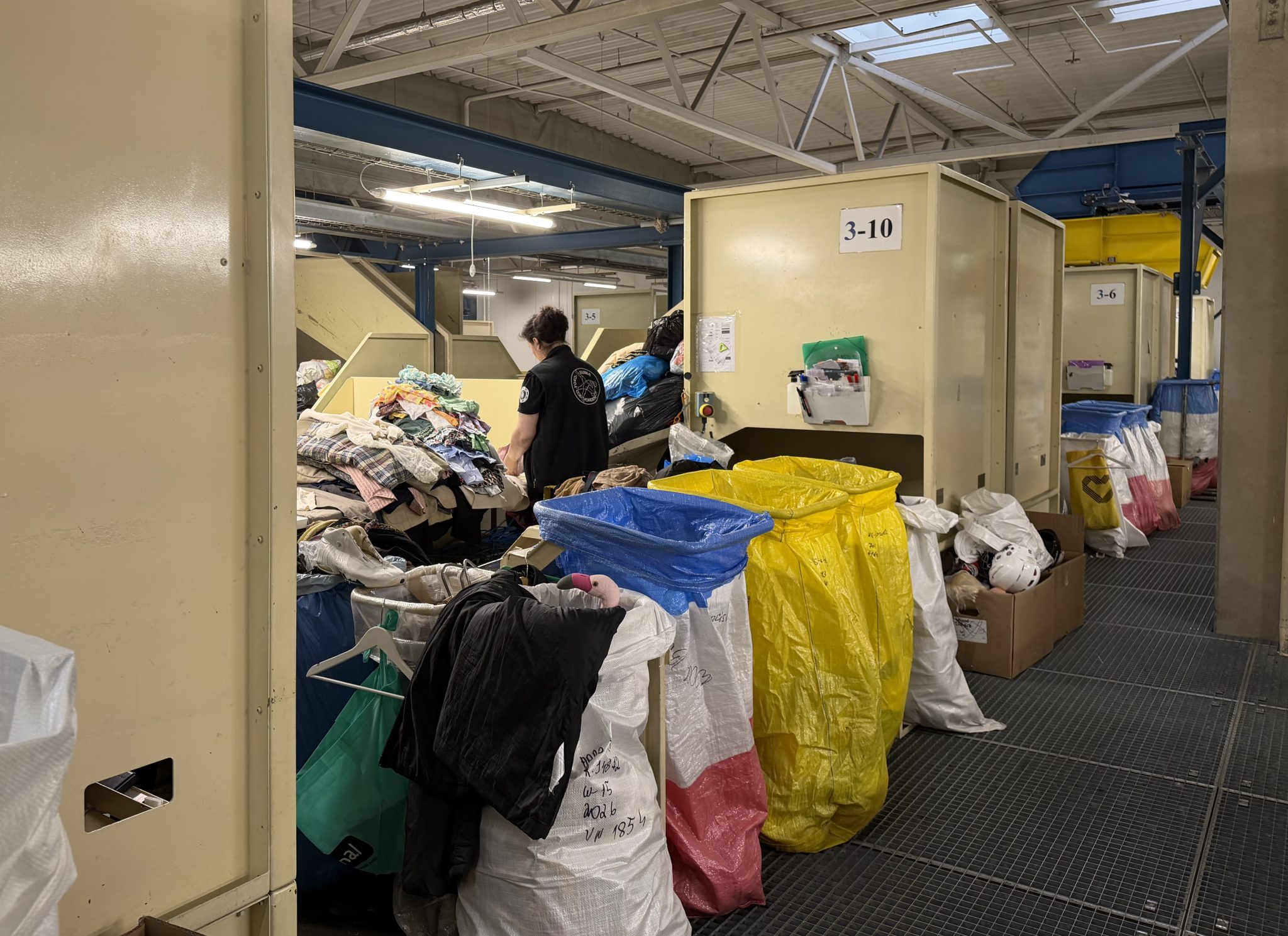
Donated clothes are carefully sorted and directed primarily to a new wearer. If a garment is no longer suitable for reuse, we seek the next best use for it as a material. Only textiles that cannot be reused or recycled are directed to energy recovery.
We want to ensure that usable clothes are not sent for material recycling or disposed of as waste prematurely. Careful sorting ensures that as many donated clothes as possible continue to serve their original purpose.
The climate impact is about 3% of the emissions from a new garment.
A garment bought from UFF has less than 1/30 of the climate impact of buying an equivalent new garment. Buying second-hand clothing from UFF is a considerably better choice for the climate than buying new clothing.
We monitor the climate impact of our operations by calculating our carbon footprint annually. Read more about the calculation and how we manage our environmental impact on the Environmental Impact page.
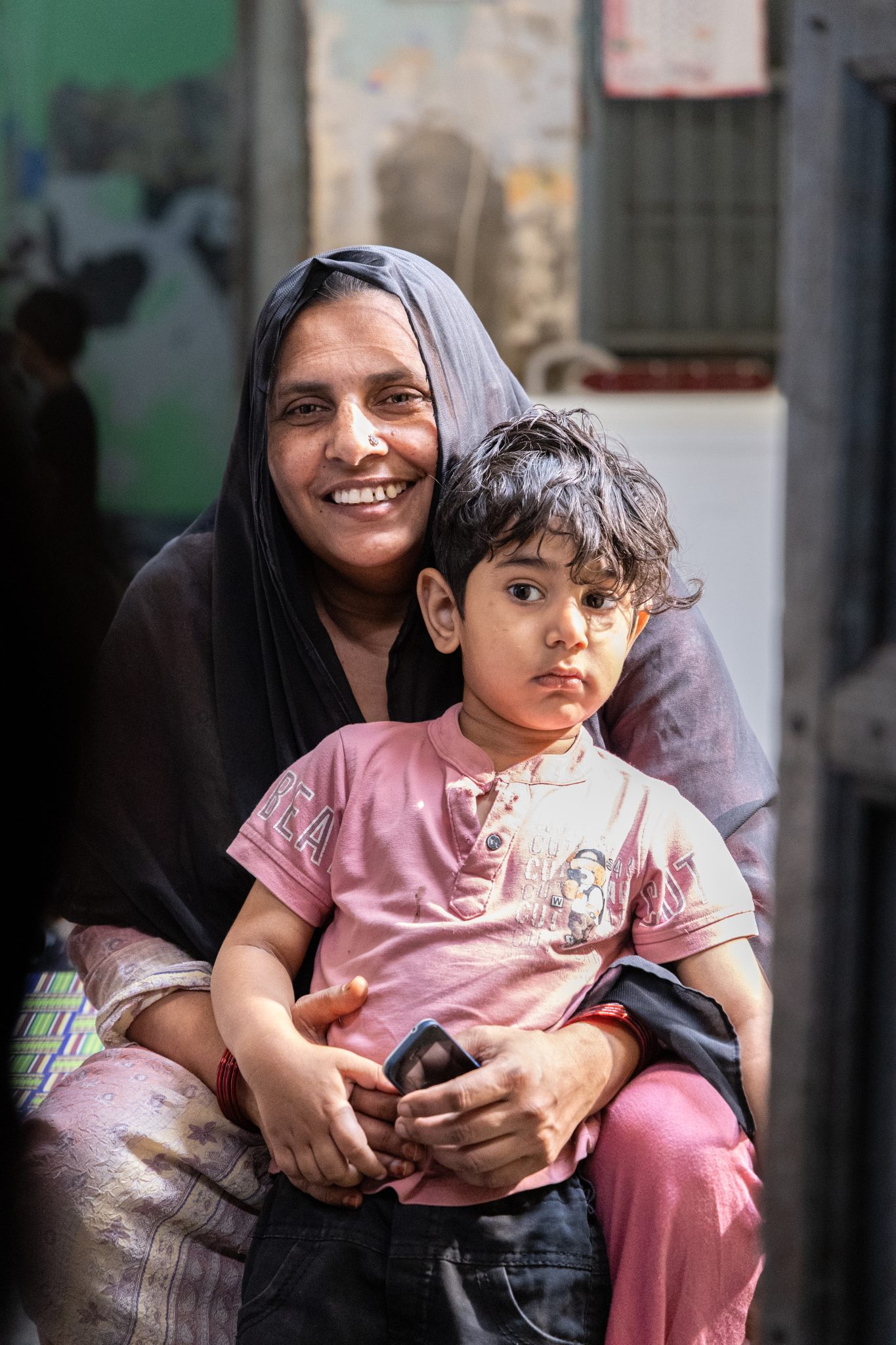
Alongside environmental responsibility, we take social responsibility. In addition to climate action, we use the proceeds from selling donated clothes to fund development cooperation in Africa and Asia. Our work aims to promote sustainable development and help reduce extreme poverty around the world.
We continually seek long-term solutions that support the wellbeing of both the environment and people. In this way, a single clothing donation can do as much good as possible.
Economic responsibility
Economic responsibility is an important part of the continuity and culture of UFF’s operations. It includes careful operational management, profitability planning, proactive risk management and continuous improvement. Objectives and key performance indicators are set, monitored and reported in accordance with good governance practices.
In addition to the foundation’s rules and applicable laws, our operations are guided by the principles and operational policy defined in our management system, as well as our ethical and anti-bribery and anti-corruption principles.
The foundation follows the requirements and practices of ISO standards. Audits of the management system are conducted according to an annual schedule.
The foundation’s operations in Finland and developing countries undergo an external financial audit every year. The audits are carried out by an authorised auditor. In addition to financial audits, development cooperation is monitored through ongoing information exchange and regular reporting.
Social responsibility
UFF takes global social responsibility, which requires extensive local and international cooperation. We work closely with public administration, businesses, the private sector and our international cooperation network. Through development cooperation, we aim to strengthen both environmental and social sustainability in some of the world’s poorest communities.
The foundation provides a significant number of jobs and meaningful work for our employees. We pay particular attention to workplace safety, employee wellbeing and equality. Our operations also indirectly employ people in Finland, including those working for our clothing collection transport partners.
Working at UFF
UFF employs around 300 professionals. More than 80% of our staff work in shops, around 15% in clothing collection and logistics, and the rest in administration and communications.
In addition to the sustainable development goals, the foundation’s work is guided by its values and ethical principles.
We are committed to providing a safe and equal working environment where discrimination and harassment of any kind are not tolerated.