
Clothing recycling guidelines
We accept wearable clothing, home textiles, accessories, bags, shoes and toys for reuse. Please pack items you bring to the clothing collection in sealed plastic bags to keep them clean and dry during transport and storage.
Items for clothing recycling can be taken to our clothing collection points or our shops.

How to recycle correctly
A major challenge in clothing collection is ensuring that wearable clothes are reused rather than ending up as waste. On the other hand, loose items or clothes that are dirty, damp or mouldy sometimes end up in the collection, which can also affect the quality of other donated clothes. Packing clothes in a tightly sealed plastic bag helps ensure they stay clean and dry.
When going through your wardrobe and sorting clothes, it is not always easy to tell whether a garment is still wearable, belongs in material recycling or should go in general waste. When wearable clothes are directed to reuse and unusable textiles to the right collection service, as many clothes and materials as possible can be put to use again.
Pack your items
Pack clothes you are taking for recycling in sealed plastic bags to keep them clean and dry during transport and storage.
Find your nearest clothing collection point
You can easily find UFF’s clothing collection points using our map service. You can also bring clothing donations directly to our shops.
What can go in a clothing collection box?
You can bring the following clean, usable items to UFF’s clothing collection:
- clothes
- home textiles
- accessories
- bags
- shoes
- toys
What cannot go in a clothing collection box?
Do not put the following in UFF’s clothing collection boxes:
- Permanently stained clothes, such as those with oil stains
- Wet or mouldy clothes
- Textiles that are otherwise spoiled
- Furniture or mattresses
Spoiled clothes are waste and should not be placed in clothing collection boxes. These textiles belong in general waste.
What belongs in end-of-life textile collection?
End-of-life textile collection is for torn, visibly worn-out or otherwise unusable textiles. Suitable items include unusable trousers, skirts and shirts, as well as home textiles such as sheets, towels and tablecloths.
Used underwear, socks and tights, however, belong in general waste for hygiene reasons. Shoes in poor condition or broken shoes are also general waste.
If you are unsure whether a textile is still usable or has reached the end of its life, you can still donate it to us. Clothes and textiles are sorted by professionals and, depending on their condition, directed for reuse either as they are or as materials. This means that as many donations as possible can be put to good use and textile waste is reduced.
Help with sorting clothes
UFF’s sorting guide helps you check whether a garment you no longer need is wearable, an end-of-life textile or general waste. It is important to sort all wearable used clothing and home textiles correctly, because reuse is always the best option for the environment.

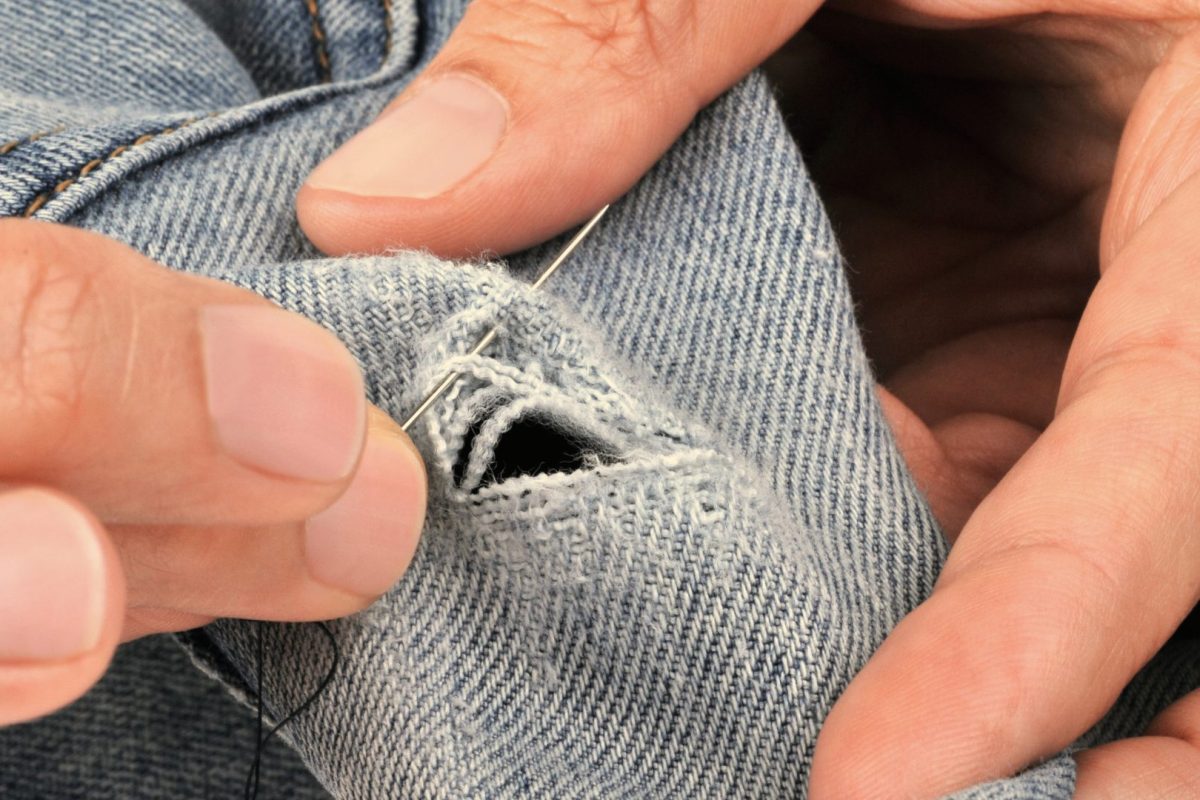
Care for and repair your clothes – make them last longer
Clothes can have a surprisingly short lifespan without proper care. Instead of throwing away damaged or worn clothes, you can make them last longer with a little care and repair. This keeps clothes in use for longer, conserves natural resources and reduces textile waste.