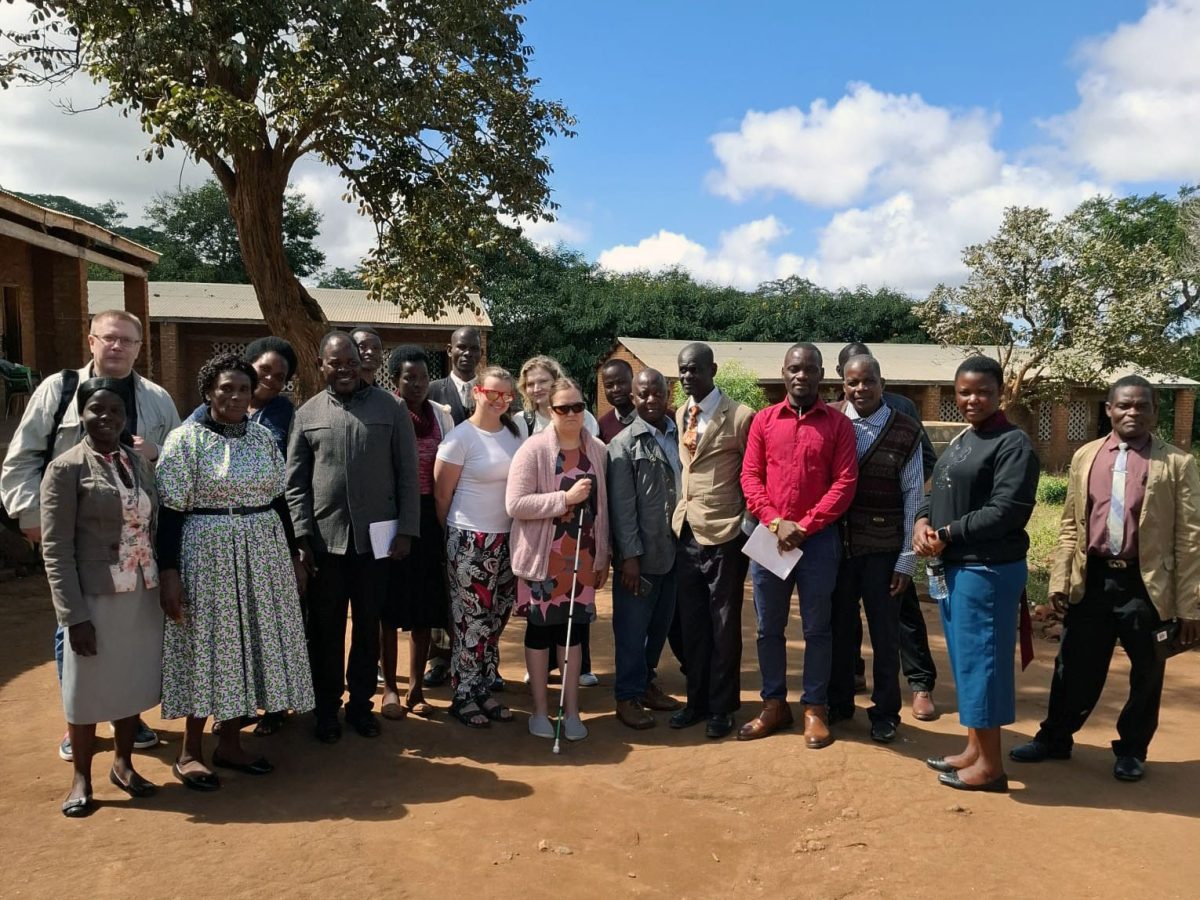
Development cooperation – sustainable and equitable development worldwide
Every clothing donation and purchase at a UFF shop supports our development cooperation. We work with local partners in Africa and Asia to improve people’s access to education, livelihoods and a life of dignity.
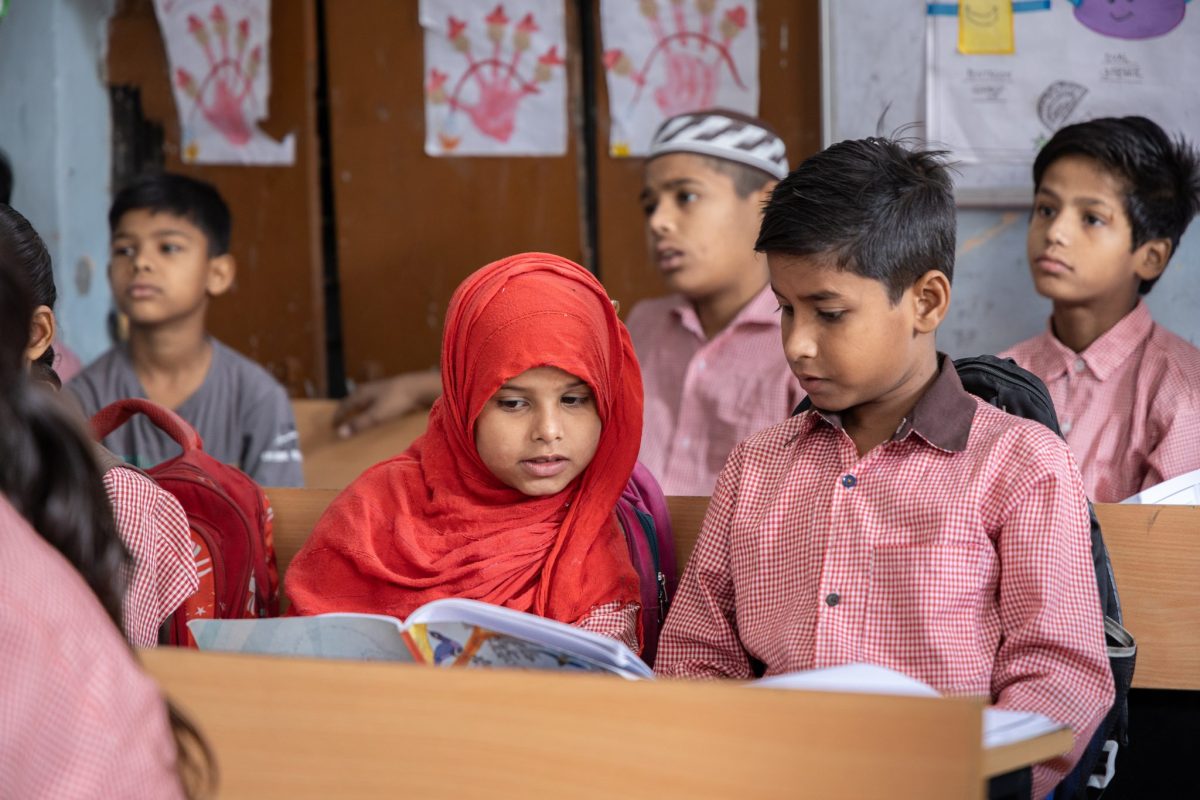
Clothing donations support education, food security and livelihoods
With funds raised through clothing donations, UFF helps people and promotes lifelong learning in some of the world’s poorest communities.
UFF’s projects focus on education and improving food security and livelihoods. We support the achievement of the UN Sustainable Development Goals through education, child welfare, community development and training for small-scale farmers. Particular attention is paid to upholding the rights of children, women and persons with disabilities.
Through our projects, we want to help build sustainable and equitable development in Africa and Asia.
Education lays the foundation for change
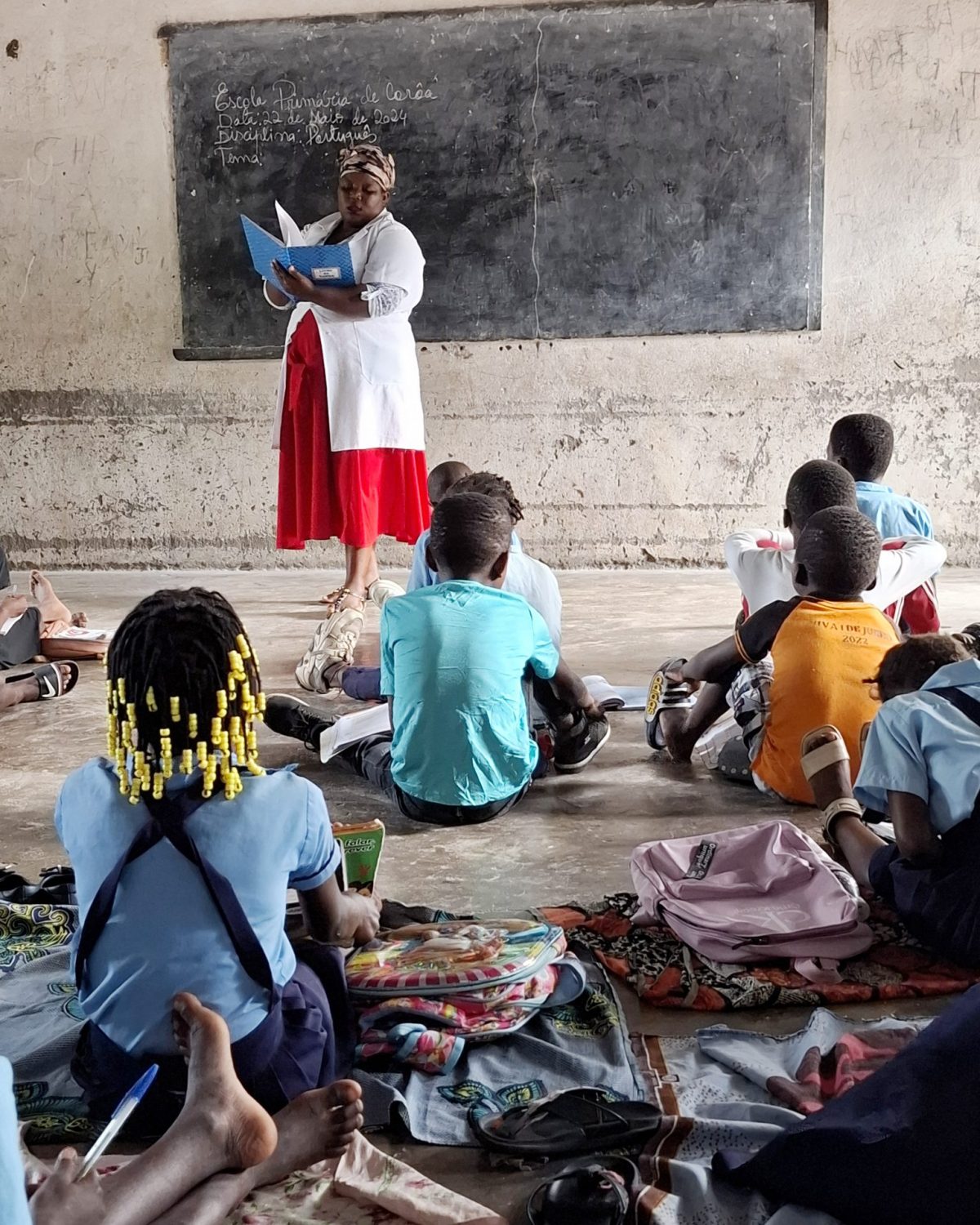
Education plays a central role in UFF’s development cooperation. Access to quality education lays the foundation for reducing poverty, sustainable development, peace and equality.
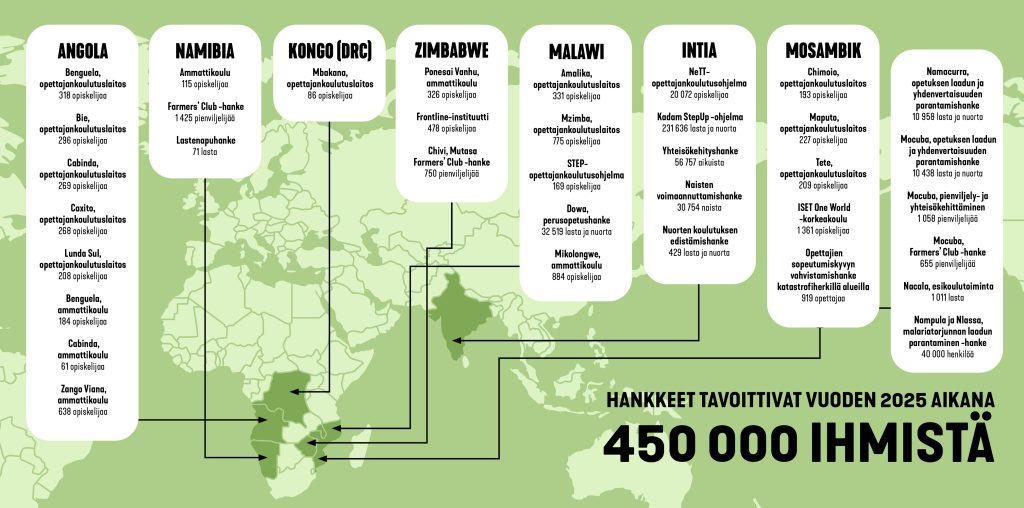
Access to school alone is not enough: the quality of teaching also matters greatly. UFF supports teacher training and continuing professional development in Angola, India, the Democratic Republic of the Congo, Malawi and Mozambique. In 2025, projects supported by UFF reached around 4,200 teachers and student teachers.
Many projects promote the right of children with disabilities to education. In Malawi and Mozambique, UFF works with the Finnish organisation Vammaiskumppanuus ry to train teachers and parents to improve opportunities for children with disabilities to attend school.
The communities around schools also play an important role in children’s learning. Discriminatory attitudes still prevent girls and children with disabilities in particular from attending school, which is why UFF supports the advocacy work of its local partner organisations in village communities.
In addition to basic education, UFF supports vocational training, which offers young people an important route to earning a living. In 2025, around 590 young people studied vocational skills with UFF’s support in Angola, Malawi, Mozambique, Namibia and Zimbabwe.
SMALL-SCALE FARMING AND THE ENVIRONMENT
The effects of climate change are being felt increasingly strongly in sub-Saharan Africa, with local small-scale farmers particularly affected. Extreme weather events pose challenges to their livelihoods and food security.
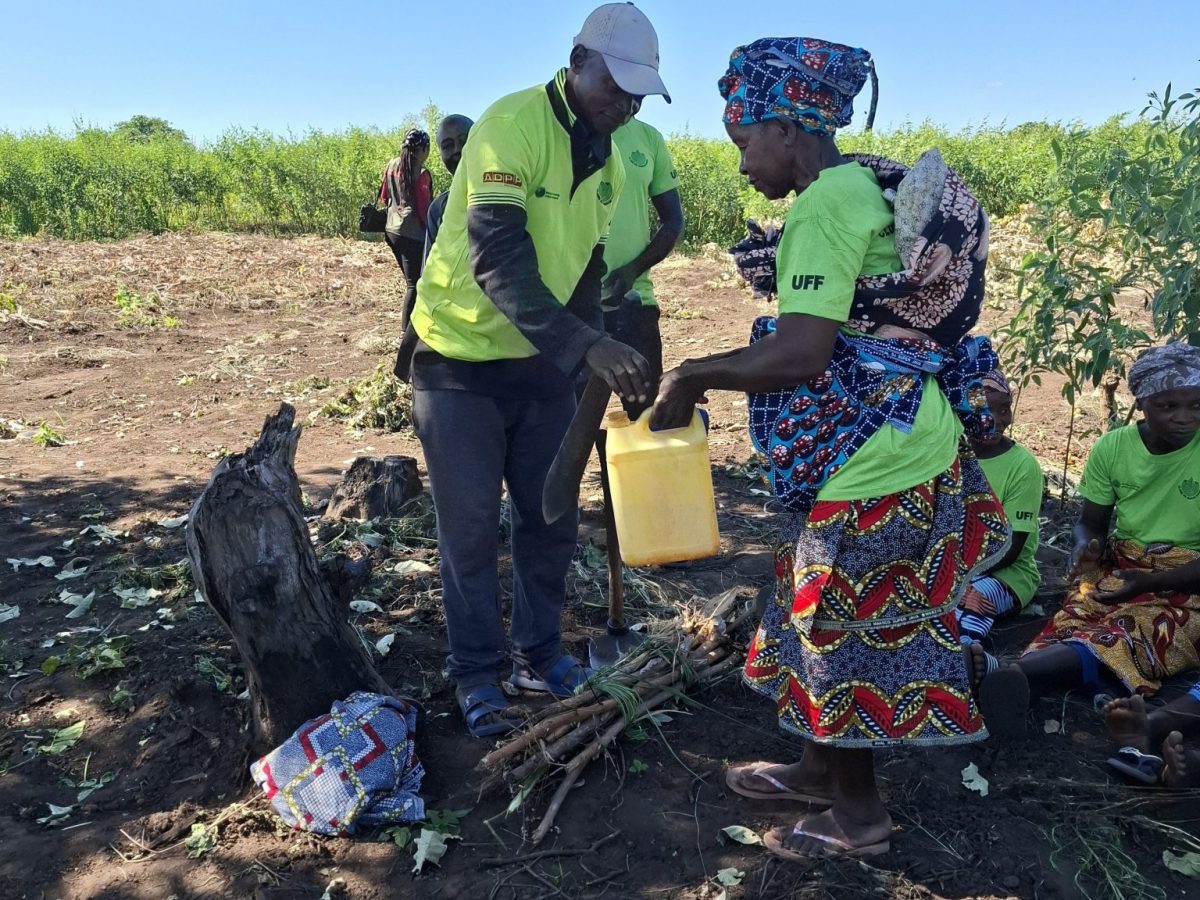
UFF supports small-scale farmers through Farmers’ Clubs, its small-scale farming and environmental projects. In 2025, the foundation’s projects reached nearly 40,000 small-scale farmers and their family members in Malawi, Mozambique, Namibia and Zimbabwe.
Soil degradation, longer dry and hot seasons, and increasingly unpredictable conditions are challenges that groups of small-scale farmers in village communities are preparing to face together with UFF’s local partner organisations. The work also promotes equality by emphasising the importance of women’s participation and opportunities for persons with disabilities to take part.
Alongside farming and adapting to climate change, the projects aim to help farmers sell their produce at market to earn additional income.
CHILD WELFARE AND COMMUNITY DEVELOPMENT
UFF’s community development and child welfare projects take an approach that advances several development goals within a single project. These goals may relate to livelihoods, health education, support for orphans, the environment and a range of other local needs. A key element is strengthening local communities, for example by establishing village committees. Together with local partner organisations, these committees help improve how communities function and support their wellbeing.
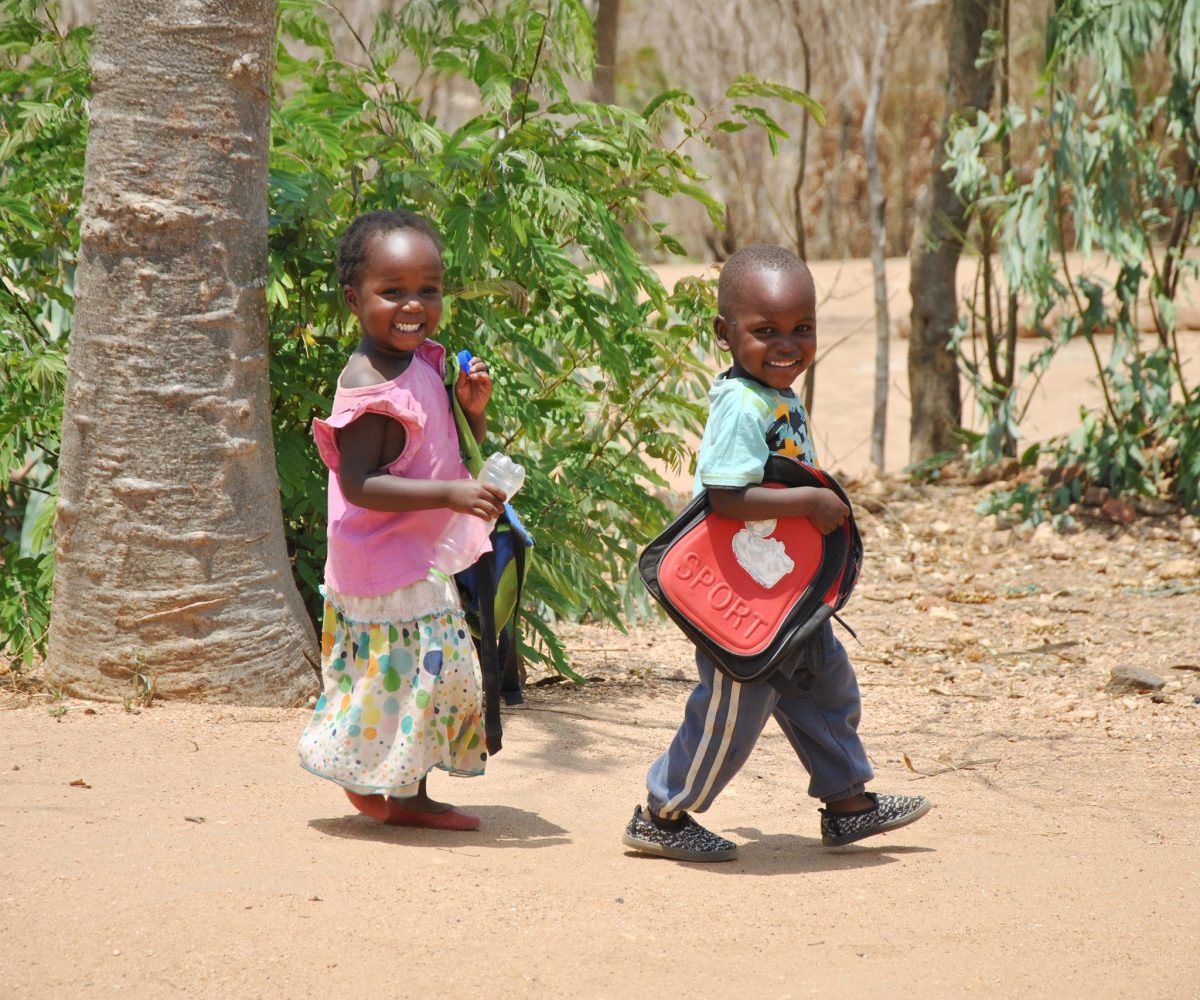
In Mozambique, UFF continued to support pre-school activities in the Nacala region to help children prepare for school. The project supported the pre-school education of 1,011 children in total. In a community development project in India, we supported local women’s groups in promoting equality and livelihoods. More than 30,000 women took part.
In Namibia, UFF’s support included a local child welfare project. Its various development goals focused on nursery provision for children, as well as improving nutrition and promoting kitchen gardening. Together, these areas support children’s overall development, health and wellbeing. The project reached a total of 120 families in northern Namibia during 2025.
Lasting change is achieved together
Strong partnerships are the foundation of our development cooperation. We implement projects together with local organisations, communities and authorities. These partnerships are based on long-term cooperation, shared goals and strengthening local expertise.
- ADPP Angola (Ajuda de Desenvolvimento de Povo para Povo)
- ACAMO (Associação dos Cegos e Amblíopes de Moçambique)
- ADEMO (Associação dos Deficientes Moçambicanos)
- ADPP Mozambique (Associação Moçambicana para a Ajuda de Desenvolvimento de Povo para Povo)
- D.A.P.P. Namibia
- DAPP Malawi (Development Aid from People to People in Malawi)
- DAPP Zimbabwe (Development Aid from People to People in Zimbabwe)
- FEDOMA (Federation of Disability Organisations in Malawi)
- Humana People to People Congo
- Humana People to People India
- MACODA (Malawi Council for Disability Affairs)
- Finnish Ministry for Foreign Affairs
- Vammaiskumppanuus ry